

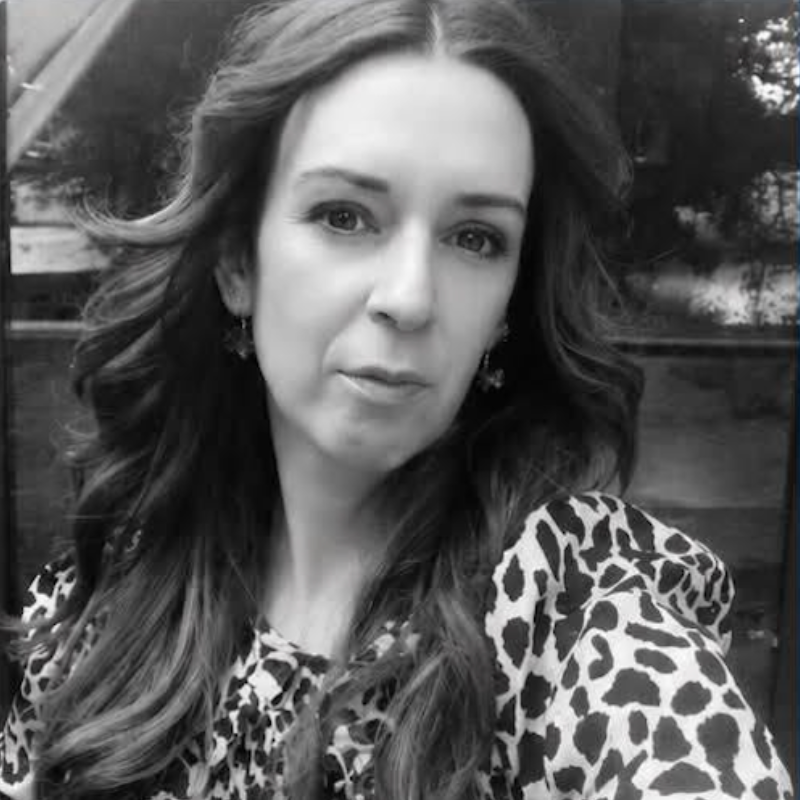
In November 2019, I woke at 4 am with what I thought was a gallbladder attack. Instead, I found myself in A&E being diagnosed with acute pancreatitis. I had no idea that morning would change my life forever.
In February 2020, I had my gallbladder removed in the hope it would solve the problem. Sadly, it did the opposite. Between February and July 2020, I suffered five more episodes of acute pancreatitis, resulting in repeated hospital admissions. I became seriously unwell, lost over 17kg, and lived in constant fear of when the next attack would come.
Thankfully, I was eventually referred to a consultant who, after ruling out every other possible cause, diagnosed me with Sphincter of Oddi Dysfunction (now known as Functional Biliary Sphincter Disorder). I was told the flow of pancreatic enzymes through the ducts into my small intestine was restricted because the sphincter wasn’t relaxing properly. This caused the digestive enzymes to back up, triggering inflammation and damage to my pancreas. Following specialist treatment to restore the flow of these digestive juices, I was able to stay out of hospital for four years. Although the attacks stopped for a time, the chronic pain never completely disappeared, and ongoing pain management became part of everyday life.
Unfortunately, in 2024 the pancreatitis returned, and I have since needed further procedures and treatment, including two hospital admissions and another episode of acute pancreatitis in 2026.
Living with this condition is about far more than coping with pain. Every day comes with uncertainty; I never know when another flare-up or episode of acute pancreatitis could happen, and managing pain is particularly challenging because many opioid medications can actually make the pain worse by affecting the biliary system.
This illness has changed every aspect of my life. I take pancreatic enzyme capsules with every meal to help digest my food. I can no longer drink alcohol and have to be careful about what I eat. Travel and life insurance are often more expensive and can even be refused. I have to manage my energy carefully, often cancel plans, and sometimes let down the people I care about because my health has to come first.
I feel incredibly fortunate that I’m still able to work, but there’s always the worry that another hospital admission could happen at any time.
Becoming a trustee of this charity has given me the opportunity to turn one of the hardest experiences of my life into something positive. If sharing my story helps just one person feel understood, find answers sooner, or realise they are not alone, then it has been worth it.
More Blogs
14 September, 2026
Natalie’s Story
My name is Natalie, and I have been living with this condition for five years. I wasn’t diagnosed until my third year of living with…
26 January, 2025
Kellie’s Story
“I survived the worst. I got through to the other side.” Seven years ago, during pregnancy, I developed gallstones and had to have my gallbladder…